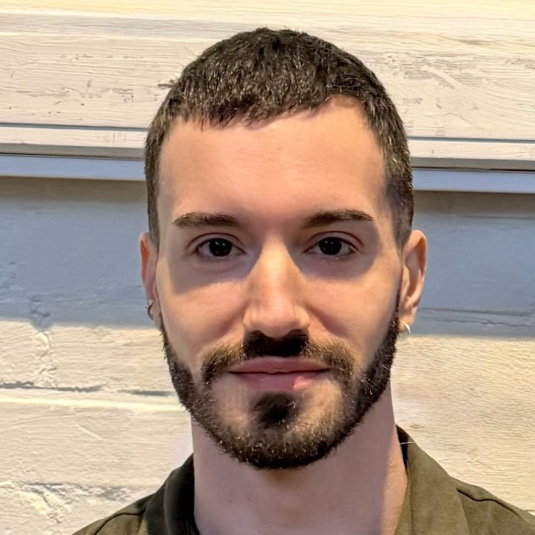
Yannis Tsilsou
Yannis Tsilsou is a youth policy consultant and European programmes expert with a strong background in rights-based advocacy, anti-discrimination, and intercultural dialogue. He holds a bachelor’s degree in international and European Studies and a master’s degree in European policies on Youth, Education and Culture. His academic work focused on the Open Method of Coordination in EU Youth Policies, evaluating its effectiveness and future potential within the framework of the EU Youth Strategy 2019–2027. Since 2012, Yannis has been actively engaged in the European youth field through various roles — as a volunteer, project coordinator, trainer, evaluator, and policy consultant. He has participated in and co-developed hundreds of European projects across key programmes such as Erasmus+ (KA1, KA2, KA3), Creative Europe, CERV, AMIF and Europe for Citizens, with a focus on youth participation, social inclusion, minority rights, and civic engagement. Yannis since 2024 is also an evaluator of Erasmus+ projects in the Youth sector for the Greek National Agency and a member of the consultants' roster of the Council of Europe Youth Department, providing expert input on youth research, policy development, and programme assessment. From 2020 to 2025, he served as Vice President and Treasurer of Youth for Exchange and Understanding International (YEU) — one of the oldest European youth organisations — where he contributed to governance, membership development, strategic partnerships and youth policy advocacy at the European level. He has also represented youth perspectives in fora such as the Advisory Council on Youth of the Council of Europe, and has contributed to expert groups related to inclusion, diversity, and youth empowerment under the Erasmus+ programme. Fluent in Greek, English, French, and conversational in German and Turkish, Yannis brings a multilingual, intersectional and inclusive approach to all his work. His long-standing commitment lies in creating participatory and safe spaces where young people — especially those from vulnerable backgrounds — can grow, express themselves, and lead social change at both local and European levels.